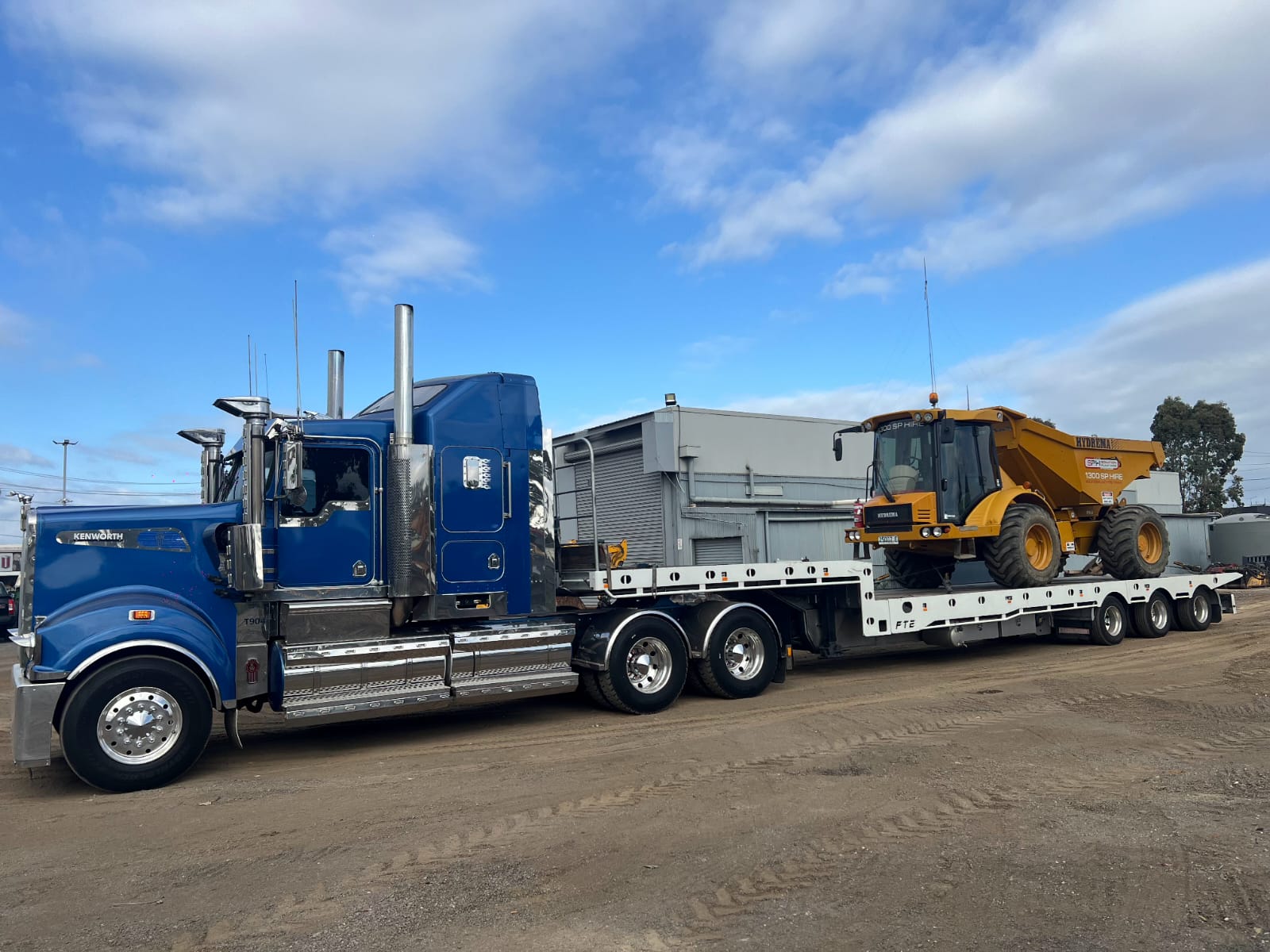
Imagine returning to your parking spot, only to find your car gone. The immediate panic, confusion, and frustration are feelings every Melbourne driver dreads. That heart-sinking moment wondering whether your car has been stolen or towed, not knowing where to go, and worrying about the costs is an experience no one should face unprepared.
The reality is that Melbourne’s towing landscape can feel like a labyrinth of regulations, hidden fees, and intimidating operators. Without clear guidance, drivers often feel vulnerable and exploited when they are already stressed. This comprehensive guide written by the experienced team at A1 Roadside Assist, South Melbourne’s trusted towing professionals cuts through the complexity.
By the end of this guide, you will understand your legal rights, know exactly what towing costs are fair and regulated, have a clear step-by-step action plan for every towing scenario, and possess the knowledge to prevent a tow in the first place. Whether you are dealing with an accident, a parking infringement, a private property tow, or a breakdown, this guide empowers you to navigate any situation with confidence.
1. Understanding Melbourne’s Towing Landscape: Key Laws & Regulations
The Legal Framework: VicRoads, Local Councils & Police
Towing in Melbourne is governed by multiple overlapping authorities, each with distinct responsibilities. Understanding which body oversees which type of towing is the first step in knowing your rights.
- VicRoads: Regulates accident towing services across Victoria, including licensing tow truck operators and setting maximum fee schedules. The VicRoads website (vicroads.vic.gov.au) is the authoritative source for accident towing regulations and operator accreditation.
- Local Councils: Melbourne’s 31 local government areas (including City of Melbourne, Yarra City Council, Port Phillip Council) each enforce parking bylaws. They authorise impoundment of illegally parked vehicles in clearways, no-standing zones, and other restricted areas.
- Victoria Police: Officers can direct towing at accident scenes, authorise removal of abandoned vehicles, and coordinate with VicRoads-accredited operators during emergencies.
Types of Towing in Victoria
1. Accident Towing
Governed by the Accident Towing Services Act 2007, accident towing covers the removal of vehicles involved in road incidents. Key features include designated accident towing zones, strict operator licensing requirements, and the important 24-hour nomination rule (explained in detail in Section 6).
2. Parking Infringement Towing
Local councils and Victoria Police authorise towing of illegally parked vehicles — including cars left in clearways, no-standing zones, bus stops, or with expired meters during clearway hours. The relevant authority is the council responsible for the area where the vehicle was parked.
3. Private Property Towing
Property owners (shopping centres, apartment complexes, private car parks) may arrange removal of vehicles parked without authorisation on their land. While less regulated than council or accident towing, private property towing must still comply with general consumer protection laws under the Australian Consumer Law.
4. Breakdown Towing
When your vehicle suffers mechanical failure, you voluntarily engage a towing service to transport it to a repairer. This is the most flexible category, where you have the most choice, but also where unscrupulous operators can take advantage of vulnerable drivers.
Key Legislation Governing Towing in Victoria
- Road Safety Act 1986: Sets general road rules and authorises enforcement measures including vehicle removal.
- Accident Towing Services Act 2007: Specific legislation governing accident recovery, operator licensing, and fee regulations.
- Australian Consumer Law (Schedule 2, Competition and Consumer Act 2010): Protects consumers against unfair practices, misleading conduct, and unconscionable behaviour by towing operators.
- Local Council By-laws: Each council has specific parking and impoundment regulations; always check the relevant council’s website for your area.
2. Your Rights as a Driver: Before, During, and After a Tow
Knowledge of your rights is your most powerful tool in any towing situation. Here is a definitive breakdown of what you are entitled to at each stage of the process.
Before the Tow: What You Can Demand
Right to Information
Before any tow takes place, you are entitled to know:
- The specific reason for the tow (which law or bylaw has been breached).
- The destination where your vehicle will be taken (name and address of the impound facility).
- The full identity of the tow truck operator and the company they represent.
- An approximate cost estimate for the tow and storage.
Right to Retrieve Personal Belongings
| Expert Tip You generally have the right to retrieve personal belongings, including medications, work equipment, child car seats, and personal documents from your vehicle before it is towed, provided it is safe to do so and does not impede the process. Make this request clearly and immediately. |
Right to Refuse to Sign Under Pressure
| Expert Tip Never feel coerced into signing documents, consent forms, or waivers that you do not understand or agree with. Read every document carefully. If you are pressured to sign immediately, note the time, the operator’s details, and state clearly that you are signing under protest if you feel compelled to do so. |
During the Tow: Observing the Process
Verify Credentials
| Expert Tip In Victoria, tow trucks must be licensed and drivers must carry identification at all times. Always ask to see the driver’s licence, the truck’s accreditation number, and the company’s VicRoads-issued towing authority. Photograph these details if possible. |
Document Everything
| Expert Tip Take photos and videos of: your vehicle’s precise location and any parking signs visible, the tow truck and its registration plate, the driver’s identification details, and the condition of your vehicle before it is loaded. Record the date, time, and exact location. This evidence is invaluable if you need to dispute the tow. |
After the Tow: Vehicle Retrieval & Documentation
Right to an Itemised Invoice
| Expert Tip Insist on a detailed, itemised invoice that clearly shows every charge: call-out fee, towing distance fee (per km), storage charges (per day), any after-hours surcharge, and administration fees. Compare each line item against the regulated maximum fees published by VicRoads or your local council. |
Right to Inspect Your Vehicle Before Paying
| Expert Tip Before driving away from the impound lot or accepting delivery of your vehicle, conduct a thorough inspection for any new scratches, dents, or mechanical damage. If damage is found, report it immediately to the operator in writing, take photographs, and do not accept the vehicle until damage is officially recorded. Do not sign any form that releases the operator from liability for damage. |
Driver Rights Quick-Reference Checklist
| BEFORE | Demand to know the reason for the tow, destination, and operator identity. |
| BEFORE | Request safe access to retrieve personal belongings. |
| BEFORE | Read all documents thoroughly before signing anything. |
| DURING | Ask to see the driver’s licence and tow truck accreditation. |
| DURING | Photograph parking signs, your vehicle, and the tow truck registration. |
| DURING | Record the time, date, and operator details. |
| AFTER | Obtain a full, itemised invoice. |
| AFTER | Inspect the vehicle for damage before accepting it. |
| AFTER | Request official receipts for all payments made. |
3. Melbourne Towing Costs Demystified: What to Expect & What’s Fair
Regulated Fees vs. Unregulated Charges
One of the most common sources of driver distress is receiving an unexpected and seemingly inflated towing bill. Understanding which fees are regulated — and which are not — is essential to protecting yourself.
VicRoads publishes an official accident towing fee schedule that sets maximum charges for accredited operators. Local councils set their own impoundment fees, which are publicly available on council websites. Private breakdown towing is less strictly regulated, which is why choosing a reputable, transparent provider like A1 Roadside Assist matters enormously.
Breakdown of Common Towing Charges
- Call-out Fee: The initial charge for dispatching and sending the tow truck to your location.
- Towing Distance Fee: A per-kilometre charge calculated from the tow point to the drop-off destination.
- Storage Fees: Daily rates charged for every day your vehicle remains in the impound facility after the initial tow.
- After-Hours/Weekend Surcharges: Additional charges applied outside standard business hours, evenings, weekends, and public holidays.
- Administration Fees: Processing and paperwork charges, sometimes levied by councils or impound facilities.
Comparative Table of Typical Regulated Towing Costs in Melbourne
The following figures are based on published VicRoads schedules and council fee information. Always verify current rates at vicroads.vic.gov.au or your local council website, as fees are periodically updated.
| Towing Scenario | Base Fee (Approx.) | Additional Fees | Regulated Max |
| Accident Tow (Metro) | $320 – $400 | Per km, daily storage, admin | Regulated by VicRoads |
| Impoundment Tow (Parking) | $300 – $600 | Daily storage, release fees | Varies by council |
| Private Property Tow | $200 – $400 | Varies (less regulated) | No strict max; disputable |
| Breakdown Tow (Voluntary) | $100 – $250 | Per km, after-hours surcharge | Negotiated (A1 competitive) |
Note: Accident towing fees are formally regulated by VicRoads. Council impoundment fees vary by municipality always check your specific council’s website. Private property and breakdown towing fees can be negotiated; A1 Roadside Assist offers transparent, competitive pricing with no hidden charges.
How to Find Official Fee Schedules
- VicRoads Official Website (vicroads.vic.gov.au): The definitive source for accident towing maximum fees and accredited operator lists.
- Consumer Affairs Victoria (consumer.vic.gov.au): Guidance on consumer rights, disputing unfair charges, and understanding your protections under Australian Consumer Law.
- Local Council Websites: Each council (City of Melbourne, Yarra City Council, Port Phillip Council, etc.) publishes its impoundment fee schedule and vehicle location tools.
4. What to Do If Your Car Is Towed in Melbourne: A Step-by-Step Action Plan
Step 1: Stay Calm and Rule Out Theft
Before assuming your car has been towed, take a breath and check the immediate area. Look for any advisory notices left on nearby poles or parking meters by council officers. Verify you are looking in the correct location it is surprisingly easy to misremember where you parked, especially in unfamiliar areas.
If there are no signs of a tow notice and you genuinely cannot locate the vehicle, contact Victoria Police on 131 444 (non-emergency) to check whether it has been reported as stolen.
Step 2: Locate Your Towed Vehicle
- Parking infringement? Contact the local council for the area immediately. Most Melbourne councils have a 24/7 impound inquiry line and an online vehicle locator tool.
- Accident-related tow? Contact VicRoads or check the VicRoads Impoundment Register online.
- Private property tow? Look for contact details on the signage in the car park, or contact the property manager.
- Still unsure? Victoria Police (131 444) can check their database for registered impoundments.
Step 3: Gather Required Documentation
Before heading to the impound facility, collect the following:
- Current driver’s licence (photo ID).
- Vehicle registration certificate or proof of ownership.
- Your insurance documents (recommended).
- Payment method confirm in advance whether the facility accepts card, EFTPOS, or cash only.
Step 4: Retrieve Your Vehicle & Secure Documentation
Upon arrival at the impound facility, do not rush. Inspect your vehicle carefully before signing any release forms (see Section 2). Request a fully itemised invoice, pay only the amounts listed (compare against regulated fees), and ensure you receive official receipts for every payment. If daily storage fees are accumulating, act quickly delays are costly.
| Expert Tip If you cannot afford to retrieve your vehicle immediately due to excessive fees, contact Consumer Affairs Victoria (1300 558 181) or a Community Legal Centre for emergency advice. Do not abandon your vehicle, as additional fees and potential disposal actions may follow. |
5. Common Towing Scenarios & Real-World Case Studies
The A1 Roadside Assist team has responded to thousands of towing calls across South Melbourne and the broader metropolitan area. The following anonymised case studies reflect real scenarios our team encounters regularly.
| Case Study 1: The Accident Tow Navigating the 24-Hour Rule |
| Sarah was involved in a minor rear-end collision on Punt Road. Within minutes, a tow truck arrived at the scene. The driver was insistent, pressuring Sarah to sign documents authorising the vehicle to be taken to a specific smash repairer. Panicked and shaken, Sarah paused and remembered the 24-hour rule. She politely declined to sign, noted the operator’s details, called her insurer, and then nominated A1 Roadside Assist to take the vehicle to her own preferred repairer saving her hundreds of dollars in unnecessary repairer markup. The 24-Hour Rule: After an accident in Victoria, you have 24 hours to nominate your preferred towing company and repairer. No operator can legally force you to use their preferred repairer.Never sign documents at a stressful accident scene without reading them thoroughly.Contact your insurer immediately they can guide you to approved operators.Save A1 Roadside Assist’s number in advance: being prepared removes the pressure entirely. |
| Case Study 2: The Clearway Tow A Costly Oversight |
| Mark parked his car on St Kilda Road for what he thought would be a 15-minute errand. He had glanced at the parking sign but misread the clearway times the afternoon restriction had begun just minutes earlier. When he returned, the car was gone. After contacting the City of Melbourne council, Mark located his vehicle at the Kensington impound facility, 12 km away. The total bill came to over $450, including the tow, daily storage, and a separate parking infringement notice. Always read parking signs in full, including all time restrictions and days of operation.Clearway restrictions are strictly enforced even a few minutes over can result in a tow.Ignorance of a parking sign is not a valid defence against fines or towing charges.Install a parking reminder app (such as ‘Parkmobile’ or ‘EasyPark’) to alert you before time expires. |
| Case Study 3: The Private Property Tow Parking Without Permission |
| David parked in an unmarked bay adjacent to a restaurant in South Melbourne, believing it was public street parking. It was, in fact, part of a private commercial property. His vehicle was removed by a private towing contractor within the hour. The operator initially demanded $380 in cash with no itemised invoice. David photographed the signage (which he found to be inadequate and poorly positioned), refused to pay without a proper receipt, and lodged a complaint with Consumer Affairs Victoria. After an investigation, the charge was reduced significantly. Always check for private property signs they may be smaller or positioned differently than council signs.Private property operators must still comply with Australian Consumer Law demand an itemised invoice.If signage is inadequate or absent, document this with photographs immediately.Consumer Affairs Victoria (1300 558 181) can investigate and act on complaints about unlawful private towing. |
| Case Study 4: The Breakdown Tow Choosing a Reliable Service |
| Emily’s car suffered a sudden alternator failure on the Monash Freeway during peak hour one of the most stressful locations imaginable. Having set up an A1 Roadside Assist membership several months earlier, she called the number already saved in her phone. Within 35 minutes, a licensed A1 operator arrived, secured her vehicle safely, and transported it to her preferred mechanic in Richmond. The total cost matched the quote given over the phone, with no surprises. Pre-arrange a roadside assistance membership the peace of mind is worth every cent.Save your roadside assist number, insurer’s emergency line, and preferred mechanic in your phone contacts before you ever need them.Always confirm the quoted price before authorising a breakdown tow reputable operators will provide this upfront.A1 Roadside Assist offers South Melbourne residents competitive, transparent breakdown towing with no hidden fees. |
6. How to Identify and Choose a Reputable Towing Service in Melbourne
What Makes a Towing Service Legitimate?
Licensing and Registration
- VicRoads Accreditation: For accident towing, the operator must hold current VicRoads accreditation. Verify on the VicRoads website.
- Business Registration: A legitimate operator will have ABN registration and public liability insurance.
- Driver Identification: All drivers must carry identification and present it on request.
Transparent Pricing
- Reputable services provide clear, upfront quotes before work begins.
- Every charge is itemised on an official invoice.
- There are no pressure tactics to accept additional, unquoted services.
Professionalism
- Courteous, clear communication even in stressful situations.
- Proper equipment and safe vehicle handling practices.
- Responsive to questions and concerns.
| Expert Tip Verify tow truck credentials before allowing any work to begin. Ask to see the driver’s licence and VicRoads accreditation card. A legitimate operator will provide these without hesitation. If a driver refuses or cannot provide identification, decline the service and call an alternative provider. |
Red Flags to Watch Out For
- Aggressive sales tactics or intense pressure to sign immediately.
- Refusal to provide an upfront quote or itemised invoice.
- Unmarked trucks or drivers without clear identification.
- Demanding cash-only payment without providing an official receipt.
- Arriving at an accident scene without being called so-called ‘storm chasers’.
- Refusing to take your vehicle to your nominated repairer or insurer’s preferred facility.
Researching and Vetting Towing Companies
- Online Reviews: Check Google Reviews and Trustpilot for consistent, recent feedback. Look for patterns in complaints.
- VicRoads Accredited Operator List: Verify accident towing operators on the VicRoads website before an emergency arises.
- Multiple Quotes: For non-emergency breakdown towing, always obtain at least two quotes before committing.
- A1 Roadside Assist: Our South Melbourne team is fully licensed, transparently priced, and has served Melbourne drivers with integrity for years. Save our number now 24/7 availability when you need us most.
7. Disputing an Unfair or Illegal Tow in Melbourne
Grounds for Challenging a Tow
- Legality of the Tow: Your vehicle was not actually parked illegally, signage was absent or unclear, or the operator lacked proper authorisation.
- Excessive Charges: Fees exceed VicRoads or council regulated maximums, or undisclosed charges have been added.
- Vehicle Damage: New damage to your vehicle is attributed to the towing process.
- Procedural Failures: The operator failed to provide required information, denied access to belongings, or refused to show identification.
The Dispute Resolution Process
Step 1: Gather All Evidence
Compile every piece of evidence before making contact: photographs of the parking location and signage, all invoices and receipts, any written communication with the operator, the time and date of the tow, and witnesses if available.
Step 2: Contact the Towing Company Formally
Lodge a written complaint (email or letter) directly with the towing company. Clearly state your grounds for dispute, include evidence, and specify the remedy you seek (refund, reduced charges, compensation for damage). Keep copies of all correspondence.
Step 3: Lodge a Formal Complaint with Authorities
- Consumer Affairs Victoria (CAV): Call 1300 558 181 or visit consumer.vic.gov.au to lodge a complaint about unfair trading practices or excessive charges.
- VicRoads: For complaints specifically about accredited accident towing operators, contact VicRoads directly at vicroads.vic.gov.au.
- Local Council: For disputes about parking enforcement and impoundment charges, contact the council responsible for the area.
- Victoria Legal Aid / Community Legal Centres: For expert free legal advice, visit legalaid.vic.gov.au or lawhelp.org.au to find your nearest community legal centre.
Step 4: Consider VCAT
If your complaint is not resolved through the above channels, the Victorian Civil and Administrative Tribunal (VCAT) offers a formal dispute resolution process for claims involving financial loss or vehicle damage. VCAT hearings for smaller claims are generally accessible, low-cost, and do not require legal representation.
| Expert Tip Act promptly. Evidence becomes harder to gather over time, and some complaint lodgement windows have time limits. If you believe a tow was illegal or charges were excessive, begin gathering evidence and lodging complaints within days, not weeks. |
8. Preventative Measures: Avoiding a Tow in Melbourne
The single best way to deal with a tow is to never need one. Here is how to stay ahead of Melbourne’s complex parking environment.
Master Melbourne’s Parking Rules
- Understand Clearway Times: Clearways operate on major arterials during peak hours typically 7–10am and 4–7pm on weekdays, though times vary. Never park on a clearway-marked street without confirming the current time is outside restricted hours.
- Read Multi-Layered Signs Fully: Melbourne parking signs can display multiple overlapping restrictions. Read every panel, every day, and every time limit before parking.
- Use Parking Apps: Apps like EasyPark, Parking Australia, and your council’s own apps can show real-time restrictions, set reminders, and help you find compliant parking.
- Check Event-Based Restrictions: Major events at venues like the MCG, Rod Laver Arena, or Flemington Racecourse trigger temporary parking changes in surrounding streets. Check the event organiser’s website and local council notices before travelling.
| Expert Tip Ignorance of a parking restriction is never accepted as a valid reason to waive fines or towing charges. When in doubt, use a paid parking facility the fee is always less than the cost of a tow. |
Vehicle Maintenance to Prevent Breakdown Tows
- Schedule regular servicing at recommended intervals for your vehicle’s make and model.
- Monitor tyre pressure and tread depth monthly a flat tyre on a freeway is a dangerous and expensive situation.
- Test your battery annually, particularly before winter. Dead batteries are one of the most common causes of breakdown callouts.
- Never ignore warning lights. Dashboard alerts are early warnings addressing them promptly prevents larger failures.
- Keep a basic emergency kit in your boot: a charged phone cable, reflective triangle, first aid kit, and torch.
Emergency Preparedness
| Expert Tip – Save these numbers in your phone right now: A1 Roadside Assist (South Melbourne’s 24/7 towing and roadside assistance experts), your vehicle insurer’s emergency line, your preferred mechanic, and the local council’s impound inquiry line for areas you frequent. Preparation transforms a crisis into a manageable inconvenience. |
Also review your insurance policy for towing coverage — many comprehensive policies include limited towing benefits, which can significantly reduce out-of-pocket costs in a breakdown or accident.
Conclusion: Drive Informed, Drive Confident
Key Takeaways
- Knowledge is your strongest defence against towing stress and exploitation.
- Melbourne towing is governed by multiple authorities VicRoads, local councils, and Victoria Police each covering different scenarios.
- You have clear legal rights before, during, and after a tow insist on them.
- Regulated fee schedules exist for accident and council towing compare every invoice against official rates.
- Follow the step-by-step action plan if your car is towed: locate, document, retrieve.
- Dispute unfair or illegal tows promptly through Consumer Affairs Victoria, VicRoads, or VCAT.
- Prevention through parking knowledge, vehicle maintenance, and emergency preparedness is always the best strategy.
| Ask an Expert: A Note from A1 Roadside Assist Our team at A1 Roadside Assist consistently sees the confusion and fear that surrounds towing especially when drivers are already stressed from an accident or breakdown. We have built our South Melbourne business on three principles: transparency, reliability, and genuine care for our customers. We offer clear, practical guidance, debunk common myths, and ensure you are never left stranded or exploited. Whether you need an emergency tow at 2am or are simply planning ahead for peace of mind, A1 Roadside Assist is the South Melbourne towing service you can trust. Bookmark this guide, save our number, and drive with confidence because being prepared makes all the difference. |
A1 Roadside Assist South Melbourne
Available 24/7 | Licensed & Accredited | Transparent Pricing | No Hidden Fees