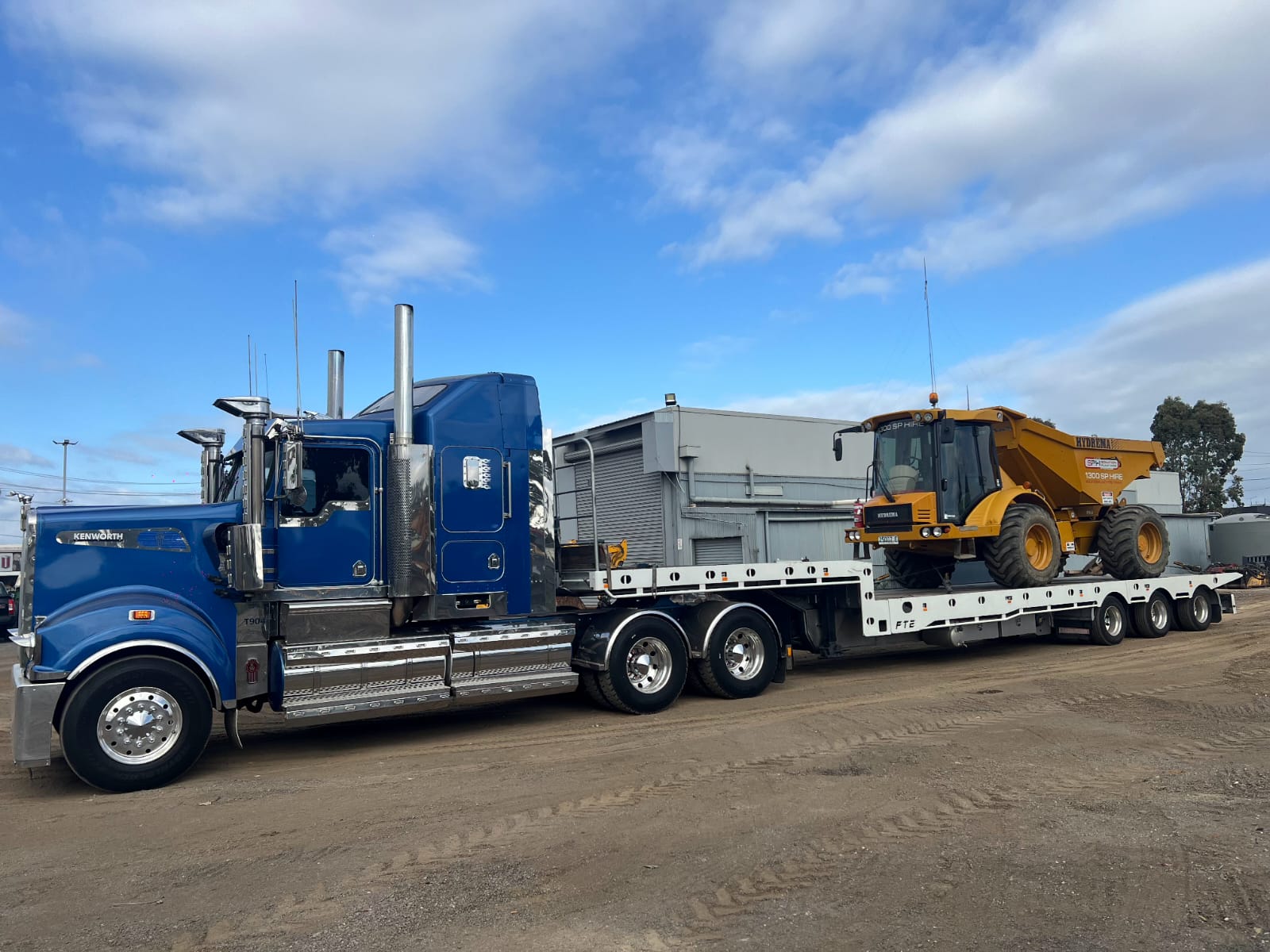
Picture this: it’s 11:45 PM on a Wednesday, your car has just died on the Monash Freeway, and your phone battery is at 8%. The last thing you need on top of everything else is to get handed a bill you didn’t see coming. Yet for many Melbourne drivers, that is exactly what happens, because they called a tow truck without knowing what to ask, what their rights were, or how towing costs are actually calculated.
This guide covers all of it, from the factors that drive up your bill to the Victorian laws that protect you at an accident scene. Whether you’re dealing with a breakdown right now or just want to be prepared, the information here will help you make faster, smarter decisions when it counts.
What Actually Drives Towing Costs in Melbourne
Towing companies don’t price jobs arbitrarily. Three core factors shape almost every quote you’ll receive: how far your vehicle needs to travel, what time you’re calling, and what type of vehicle is being towed. Understanding these before you pick up the phone puts you in a much stronger position.
Distance
Most tow truck operators in Melbourne calculate mileage from their depot or current location to your pickup point and then from your pickup to the drop-off. Some include return travel in their pricing model; others don’t. This matters most on longer tows, where the difference between operators can be significant.
Short inner-city tows of 5 to 10 kilometers typically attract a flat call-out rate plus a base towing fee. Once you move beyond 15 to 20 kilometers, particularly out toward Frankston, Dandenong, or the outer western suburbs, you’re looking at a per-kilometer rate stacking on top of that base.
Before you call, use Google Maps to estimate the distance between your exact pickup location and your intended destination. Being specific about both addresses, including the cross street, helps any operator give you an accurate figure rather than a rough ballpark.
Time of Day and Day of Week
Standard business hours for most Melbourne towing operators run Monday to Friday, roughly 8 AM to 5 PM. Outside of those windows, after-hours surcharges apply. On weekends and public holidays, those surcharges increase further.
A tow that costs $X on a Tuesday afternoon can cost noticeably more at 2 AM on a Saturday. That’s not price gouging; it’s the reality of running trucks around the clock with licensed, insured operators. The important thing is knowing this upfront so it doesn’t come as a shock on the invoice.
If your situation isn’t urgent, and it’s 11:30 PM with a safe place to wait, it’s worth asking whether a scheduled morning tow would be significantly cheaper.
Vehicle Type and Condition
A standard sedan on four intact wheels is the baseline. Everything else adds cost, often for legitimate reasons.
SUVs and utes are heavier and sometimes require different rigging. Lowered vehicles can’t be dragged onto a standard tow truck without scraping, so they need a flatbed or a low-loader, which is a specialist piece of equipment. Prestige cars, whether a BMW 5 Series or a classic Mustang, are typically transported on flatbeds to avoid any risk of drivetrain or bodywork damage.
Four-wheel drives that are bogged or off-road require winching and recovery equipment, which is categorically different from a standard tow. Motorcycles require their own transport setup. Vehicles with locked wheels, missing wheels, or compromised steering need dollies.
When you call for a quote, be specific. Tell the operator your vehicle’s make, model, year, whether it’s lowered, and exactly what’s wrong with it. “My 2019 Commodore won’t start, but it rolls freely,” and “my 2017 WRX with coilovers has a seized front wheel” are very different jobs, and the quote should reflect that.
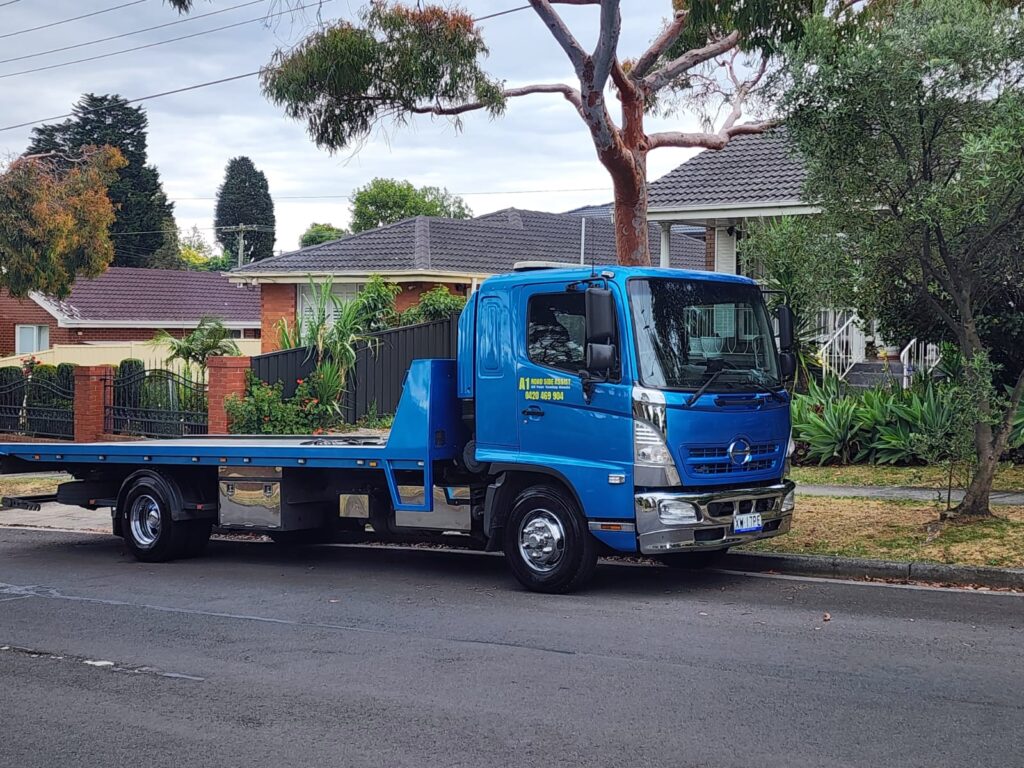
How These Factors Stack Up: Scenario Comparisons
| Scenario | Distance | Time | Vehicle | Cost Impact |
|---|---|---|---|---|
| Standard breakdown | 10 km | Business hours | Sedan | Base rate plus standard mileage |
| Weekend accident | 15 km | Saturday afternoon | SUV | Base rate plus mileage plus weekend surcharge |
| After-hours recovery | 5 km | Weekday midnight | Lowered sports car | Higher base rate plus mileage plus flatbed equipment fee |
| Long-distance transport | 50 km | Business hours | Ute (4WD) | Higher mileage rate plus vehicle weight factor |
| Complex recovery | 2 km (off-road) | Weekday morning | Bogged 4WD | Recovery fee plus towing fee plus specialist equipment |
Beyond the Basics: Other Charges You Should Know About
Distance, time, and vehicle type cover most standard tows. But there are other cost factors that catch drivers off guard, not because operators are trying to hide them, but because they’re easy to overlook when you’re focused on just getting your car moved.
Access and Recovery Complexity
Underground car parks are a recurring challenge. Many multi-deck car parks in the Melbourne CBD have height restrictions that prevent standard tow trucks from entering at all, requiring low-profile flatbeds or hand-operated recovery equipment.
Vehicles that have rolled into a ditch, gone off-road, or ended up in a tight corner of a multi-story car park require recovery work before towing even begins. Recovery and towing are separate services, and they’re often invoiced separately. The recovery portion covers the labor and equipment needed to get your vehicle into a position where it can actually be towed. This distinction is worth clarifying in your quote before anything moves.
Storage Fees
If your vehicle can’t be delivered directly to its destination, whether because the workshop is closed or the drop-off location isn’t accessible, it will go into the operator’s yard overnight. Storage fees are charged per day and accumulate quickly. If you’re arranging a tow late at night and your preferred mechanic doesn’t open until Monday, ask the operator what their storage rate is and whether there’s a grace period.
Special Equipment
Flatbed trucks, winches, and wheel dollies aren’t included in a standard tow rate. If your vehicle needs any of these, they will be itemized on your quote. That’s normal and expected. What you’re looking for is a company that tells you this upfront, not one that adds it to the invoice after the fact.
Call-Out and Administrative Fees
The call-out fee covers the cost of dispatching a truck to your location regardless of what happens after that. It’s standard across the industry. Administrative fees, such as processing paperwork for insurance claims or after-accident documentation, should be minor and clearly itemized on any invoice.
Quick Reference: Additional Charges
| Factor | What It Covers | Typical Cost Impact |
|---|---|---|
| Complex recovery | Off-road, bogged, underground, or tight-space access requiring specialist equipment | Significant, often a separate recovery fee |
| After-hours/weekend | Services outside standard business hours, weekends, or public holidays | Surcharge on call-out or hourly rates |
| Storage | Temporary holding at the tow yard when immediate drop-off isn’t possible | Daily fee, accumulates over time |
| Special equipment | Flatbeds for luxury or lowered cars, winches, wheel dollies | Additional equipment charge per item used |
| Administrative fees | Paperwork, insurance documentation, logistical processing | Minor, should be clearly itemized. |
Types of Towing Services in Melbourne and What Each Costs
Not all tows are the same, and the type of service you need shapes not just the price but also the rules that apply.
Emergency Breakdowns
This is the most common scenario: your vehicle stops working unexpectedly and needs to get to a repairer. Pricing is driven by distance, time of day, and vehicle type. Availability also plays a role; operators who can reach you faster in off-peak areas may charge accordingly.
If you hold a roadside assistance membership through RACV, NRMA, or through your insurer’s policy, check the terms before you call an independent operator. Many memberships include a standard tow within a set radius at no additional cost, which can eliminate the call-out fee entirely.
Accident Towing
This is where Victorian law steps in directly, and it’s the category of towing where drivers are most vulnerable to poor practices.
Accident towing in Victoria is regulated by VicRoads and enforced through Consumer Affairs Victoria. You have specific rights at an accident scene, and any operator working outside those rules is breaching the law. The key regulations are covered in detail in the next section.
Scheduled and Specialist Transport
Pre-booked tows for project cars, unregistered vehicles, classic cars, or vehicles being transported between workshops typically allow more flexibility. Because there’s no urgency, you can compare quotes from multiple operators and negotiate on price. Enclosed transport for prestige or show cars is available but adds to the cost.
Heavy Vehicle Towing
Trucks, buses, and large commercial equipment require different machinery entirely. Heavy vehicle towing in Melbourne operates at a different price point from standard towing, reflecting the specialist equipment and licensing involved. If you manage a fleet or operate commercial vehicles, it’s worth establishing a relationship with a heavy vehicle recovery operator before you need one.

Accident Towing in Victoria: Your Rights Under the Law
Victorian law gives drivers clear protections at accident scenes. These rules exist because accident scenes are high-stress environments where people are often in shock and vulnerable to pressure from operators looking to secure work quickly.
You Choose the Operator
You have the right to choose which licensed tow truck attends your accident scene. You don’t have to use the first truck that shows up. If you have a preferred operator or your insurer has a designated provider, you can request them specifically.
Consent Is Mandatory
No operator can tow your vehicle from an accident scene without your explicit consent. If you haven’t agreed to the tow, it cannot legally proceed. At an accident scene where the driver is incapacitated, specific procedures apply, but the principle remains that towing without consent is a breach of Victorian law.
You Choose the destination.
Once you’ve agreed to a tow, you decide where your vehicle goes. That might be your preferred repairer, your home, or a holding yard while you sort out insurance. The operator cannot redirect your vehicle to a yard of their choosing without your agreement.
Pricing Transparency Is Required
Towing companies must provide a clear, itemized account of charges. You’re entitled to a copy of the tow docket at the time of service. If you’re not offered one, ask for it before you sign anything.
No Unsolicited Approaches
Tow truck operators cannot approach you at an accident scene to solicit business unless you’ve called them or your insurer has. This practice, sometimes called “tow-truck chasing,” is illegal in Victoria.
If Something Goes Wrong
Consumer Affairs Victoria is the body for complaints about towing services. If you believe you’ve been overcharged, misled, or had your vehicle towed without proper consent, you can lodge a formal complaint. The Victorian Fair Trading Act and Australian Consumer Law provide protections against unconscionable conduct and misleading pricing practices.
Summary of Your Accident Towing Rights
| Right | What It Means | Why It Matters |
|---|---|---|
| Choice of operator | You can request any licensed tow truck, not just the first to arrive | Prevents pressure to use whoever shows up first |
| Explicit consent required | Your vehicle cannot be moved without your agreement | Protects against unauthorised towing |
| Choice of destination | You decide where your vehicle goes | Keeps your vehicle out of unknown yards |
| Itemised invoice | You’re entitled to a full breakdown of charges | Prevents hidden fees and disputes |
| No unsolicited approaches | Operators cannot solicit work at accident scenes | Protects vulnerable drivers from aggressive practices |
| Complaint resolution | Consumer Affairs Victoria handles disputes | Gives you a formal avenue if things go wrong |
Getting a Quote You Can Actually Trust
The single most effective thing you can do in a towing situation is get a written quote before any truck moves. A written quote, whether sent via SMS or email, creates a record of what was agreed upon. If the final invoice doesn’t match, you have something to point to.
Here are the questions worth asking before you confirm any tow:
Is the total cost itemized? Ask for the breakdown: call-out fee, towing rate per kilometer or flat rate, any applicable surcharges, and equipment charges if relevant. A vague “all in” price without a breakdown should prompt more questions.
Is GST included? This is easy to miss. Make sure the quoted figure is GST-inclusive so you’re not surprised by an extra 10% at the end.
Are there any after-hours, weekend, or public holiday surcharges? If you’re calling outside business hours, confirm whether those apply and how much they add.
What are the storage charges if same-day delivery isn’t possible? Especially relevant for late-night tows when workshops are closed.
What is your insurance coverage during transit? A reputable operator should be able to confirm they carry appropriate insurance for your vehicle while it’s on the truck. Evasive answers here are a warning sign.
Can you confirm your ABN and licensing? A licensed, registered business should have no problem providing this. An operator who hesitates isn’t worth the risk.
Quote Transparency Checklist
| Question | Why It Matters | Red Flag |
|---|---|---|
| Is the total cost clearly itemized? | Prevents hidden fees and bundled charges | Vague all-inclusive quote with no breakdown |
| Is a written quote provided before the tow starts? | Creates a record of the agreed price | Refusal to confirm in writing |
| Are all surcharges (after hours, weekend) disclosed? | Helps you know the true maximum cost | Base price quoted without mentioning surcharges |
| Does the company confirm vehicle insurance during transit? | Protects you if damage occurs | Deflection or vague reassurances |
| Are payment methods clarified upfront? | Avoids last-minute pressure | Cash-only demand with no prior mention |
| Is the ABN available on request? | Confirms the business is legitimate and registered | Refusal or inability to provide it |
Real-World Scenarios: What Towing Actually Looks Like
Breakdown on the Eastern Freeway at 2 AM
A driver in a 2020 Mazda CX-5 loses power on the Eastern Freeway heading toward the CBD. It’s Wednesday night, technically Thursday morning. She calls an operator who quotes her a call-out fee, an after-hours surcharge, and a per-kilometer rate to her mechanic in Hawthorn, roughly 12 km away.
The key things she does right: she gets the total quoted figure confirmed via SMS before the truck arrives. When the driver shows up and mentions a potential “recovery fee” because the car is partially blocking a lane, she asks whether that was included in the quote and gets clarification before anything moves.
The lesson: after-hours adds cost, but a written quote locks in the agreed price and gives you leverage if new charges appear.
Classic Car Transport from Garage to Workshop
A hobbyist is moving a 1971 Ford Falcon from a residential garage in Caulfield to a restoration workshop in Bayswater. The car runs but isn’t registered, and he wants it transported on a flatbed to avoid any road risk.
Because there’s no urgency, he contacts three operators and compares quotes. The flatbed requirement is a given; the differences come down to how operators price the 35 km distance and whether they include loading and securing in the base rate or add it separately. He chooses the mid-range quote from an operator with strong Google reviews and a clear, itemized breakdown, not the cheapest.
The lesson: when time isn’t a factor, comparison shopping is straightforward. Reputation and transparency matter more than saving $30.
The Cost of Choosing Cheap Without Checking
A driver accepts a suspiciously low quote from an operator who won’t put it in writing, citing a “system issue.” The truck arrives, the car is loaded, and the invoice comes in at more than twice the verbal quote with line items that weren’t mentioned. With no written record, disputing the charge becomes a difficult process.
The cheapest quote without documentation, insurance confirmation, and a clear breakdown isn’t a deal. It’s a risk.
Before the Tow Truck Arrives: A Practical Checklist
If you have even two or three minutes before the truck arrives, these steps protect you:
Photograph your vehicle from all angles. Take clear photos of the bodywork, wheels, and undercarriage if accessible. This documents a pre-existing condition and protects you if damage is claimed later.
Confirm the drop-off address with the driver and make sure it matches what’s on the quote. Don’t assume.
Remove valuables from the vehicle if the situation allows. Phones, laptops, documents, and anything of value should come with you.
Check your insurance policy or roadside assistance terms. If your insurer covers towing, call them first. It may eliminate your out-of-pocket cost entirely.
Keep a copy of the tow ticket. This is your record of the job, the operator, and the agreed charges. Don’t leave the scene without it.
Choosing a Towing Operator You Can Rely On
Reputation, transparency, and proper licensing should matter more in your decision than a headline price. Here’s what to look for:
A reputable operator gives you a written quote without being asked, answers questions directly, and provides their ABN without hesitation. Their trucks are clearly marked, their drivers are professional, and they don’t apply pressure tactics.
Check Google reviews specifically for how operators handle billing disputes and after-hours calls. A company that responds well to negative reviews and resolves complaints is a better indicator of reliability than a perfect five-star average with two reviews.
A1 Roadside Assist has been providing towing and roadside services across South Melbourne and the broader Melbourne area for years. Our pricing is itemized, confirmed in writing before any tow commences, and we operate in full compliance with VicRoads accident towing regulations. We don’t charge hidden fees, and we’ll answer every question on this checklist before your vehicle goes on the truck.
What to Do If You’ve Been Overcharged or Treated Unfairly
If you believe you’ve been overcharged, misled, or had your rights violated under Victorian towing regulations, here’s the process:
Start by requesting an itemized invoice and comparing it against your written quote. If there are discrepancies, raise them directly with the operator in writing.
If the operator won’t resolve it, contact Consumer Affairs Victoria. They handle complaints about towing services and can investigate breaches of the Victorian Fair Trading Act and Australian Consumer Law.
For accident towing breaches specifically, contact VicRoads. Unsolicited approaches, towing without consent, and destination disputes all fall within their regulatory scope.
Keep all records: your original quote, any SMS or email communication, the tow docket, and photos of your vehicle’s condition before the tow.
Key Takeaways
Towing costs in Melbourne are shaped by distance, time of day, vehicle type, and access complexity. Understanding these factors means you can ask better questions and evaluate quotes accurately rather than just accepting the first number you hear.
Your rights at an accident scene are clearly defined under Victorian law. You choose the operator, you give consent, and you choose the destination. No one can override those rights.
Always get a written quote before the tow begins. Always photograph your vehicle. Always ask for the full itemized breakdown, including GST, surcharges, and equipment charges.
Need a tow right now? Our 24/7 towing services in Melbourne provide fast response times, transparent pricing, and no hidden surprises. Contact A1 Roadside Assist anytime for immediate help and a clear upfront quote.

Great content! Keep up the good work!